01
Intrinsic viscosity
IV helps indicate polymer molecular characteristics. The appropriate value depends on the processing route and final product.
Clear reference values, sensible quality questions and a useful framework for approving recovered PET material for your own process.
 GANARAJ GLOBAL / 04 / QUALITY & SPECIFICATION
A nominal flake grade is not enough to predict manufacturing performance. The acceptance criteria must reflect the end use and the buyer's processing conditions.
We recommend reviewing a current certificate of analysis (COA) or an agreed sample test before committing to an order. The reference numbers provided on this site explain the source-supplied material profile; they are not independently verified current-lot results.
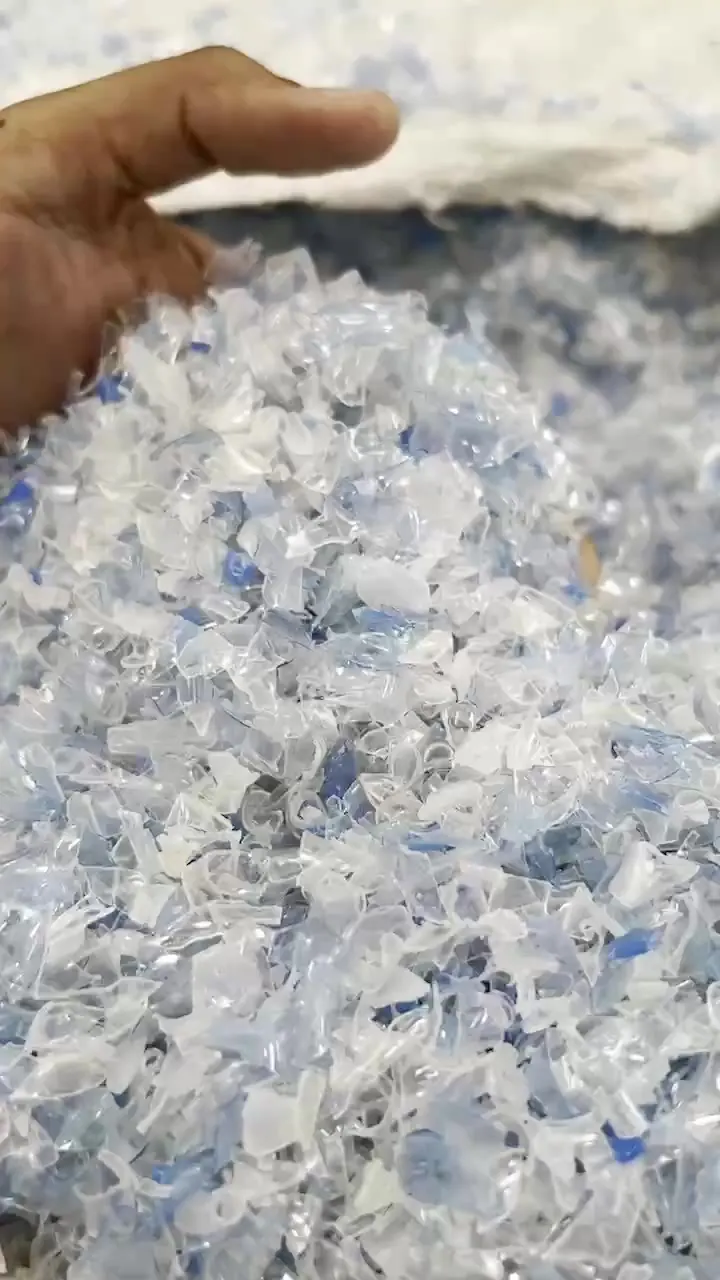
View full reference specification ↗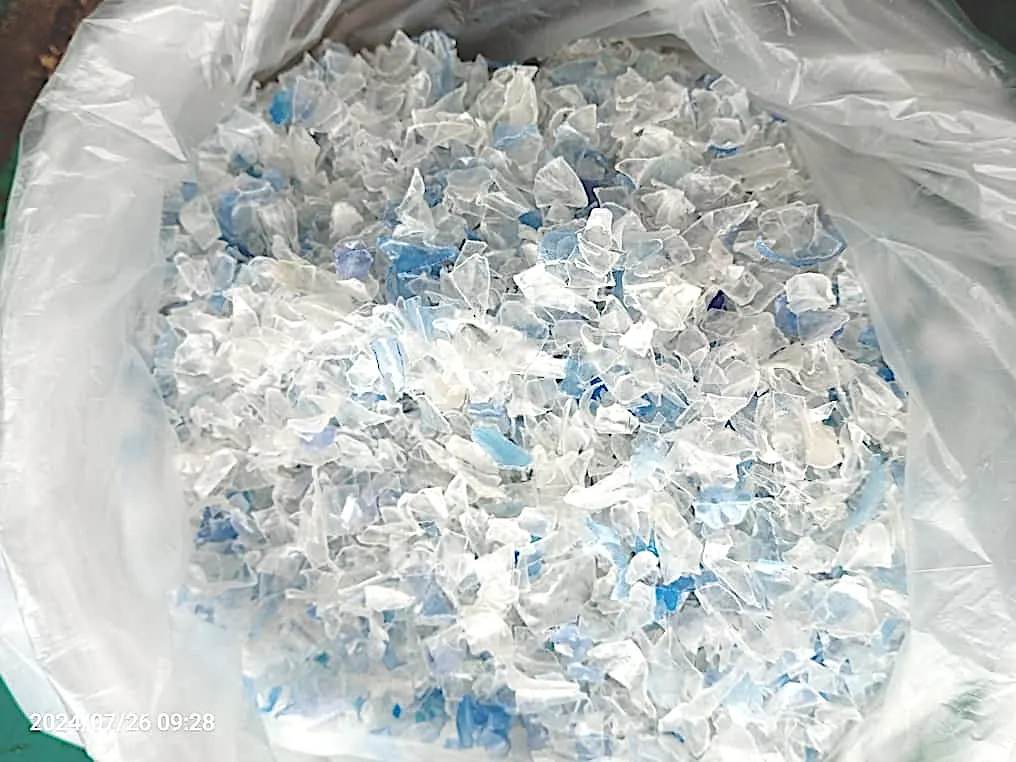 Reference sample imagery
These checkpoints are general technical procurement guidance and should be adapted to your specific operation.
IV helps indicate polymer molecular characteristics. The appropriate value depends on the processing route and final product.
Moisture control matters before melt processing. Discuss both delivered material moisture and pre-drying requirements.
Foreign polymers can cause defects, degradation and process instability. Confirm the test method and permissible contamination.
Flake distribution influences feeding, washing results and melting behaviour; a single maximum size does not describe the full distribution.
Mixed clear/blue, green or amber streams serve different outcomes. Define target colour and acceptable colour variation up front.
Agree on bag identification, lot numbers, weight checks, retained samples and documentation before shipment.
Not all supplier documents agree on every shipping detail; confirm requirements on the final quotation and COA.
| Parameter | Reference figure | What to verify |
|---|---|---|
| Flake size | <12 mm | Sampling method and particle distribution |
| Bulk density | 250–305 kg/m³ | Measurement method and handling density |
| Intrinsic viscosity | 0.72–0.74 dL/g | Lab method and approved IV range |
| Moisture | ≤1.0% | Actual measured moisture and drying requirement |
| PVC | <75 ppm | Test report and acceptable maximum |
| Metal | <10 ppm | Contamination screening |
| Paper / labels | <10 / <20 ppm | Visual inspection and test procedure |
| PP / HDPE | <10 ppm | Non-PET polymer separation performance |
| Glue | <50 ppm | Residual adhesive contamination |
In the PET recycling industry, some operators use optical detection to separate polymers and colours after physical preparation. This can improve control of undesired fractions, but performance depends on feedstock, equipment and settings.
Disclosure: Equipment-specific capabilities must be confirmed with the material source. No optical sorting technology or proprietary equipment is represented as a Ganaraj Global facility capability.
We can structure the enquiry around your acceptable limits, quantity and application.