Collection & aggregation
Post-consumer PET bottles are gathered through collection routes and consolidated for shipment to a recycling facility.
A practical nine-stage guide to the recovery, processing and quality checks behind hot-washed recycled PET flakes.
 GANARAJ GLOBAL / 03 / RECYCLING PROCESS
This is a generalised recycling workflow consistent with the process described in the supplied producer information, not a claim that Ganaraj owns these machines or operates the plant.
Post-consumer PET bottles are gathered through collection routes and consolidated for shipment to a recycling facility.
Loose or baled bottles are prepared and transported to the processing site. Bale condition and non-PET content matter to downstream yield.
Input material is separated by polymer, colour and visible contamination to isolate the PET stream before size reduction.
Prepared PET bottles are cut into small pieces, increasing exposed surface area for subsequent washing and separation.
Washing is designed to remove labels, adhesive residues, dust and other contaminants from processed PET.
Rinsing and separation stages may help reduce remaining residues and non-PET fractions depending on the equipment layout.
Moisture control prepares the material for handling and downstream extrusion. The final level requires measurement and verification.
Physical appearance, colour, particle size and contamination are reviewed against the agreed quality criteria.
Accepted material is bagged, labelled and configured for warehousing, container loading and shipment documentation.
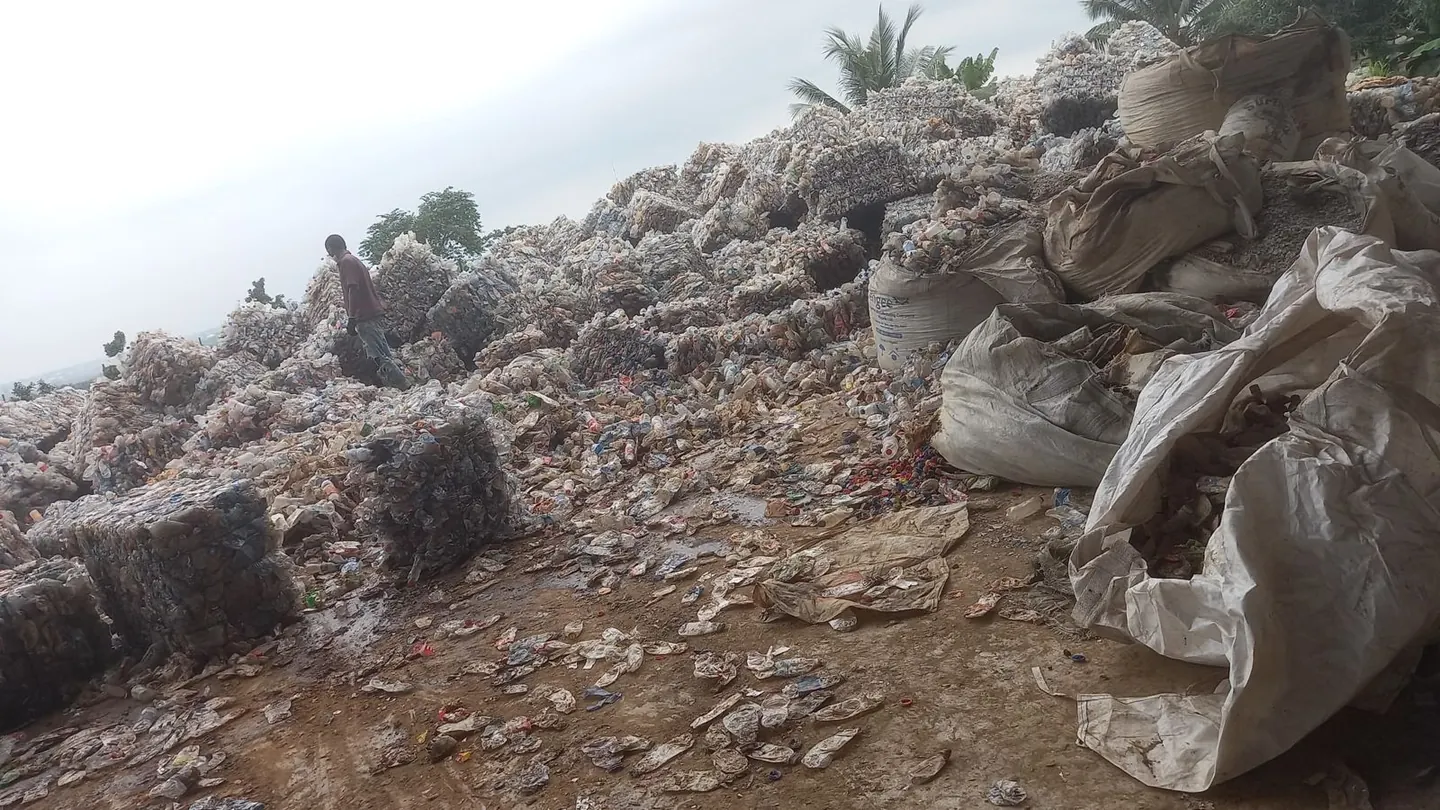
PET bottle quality, mixed polymers, labels and foreign material affect the effort required in sorting and washing. Collection and baling provide the first opportunity to control variation.
Supplier documentation references links with baling facilities across Nigeria; that description belongs to the material producer and is not a statement about Ganaraj-owned facilities.
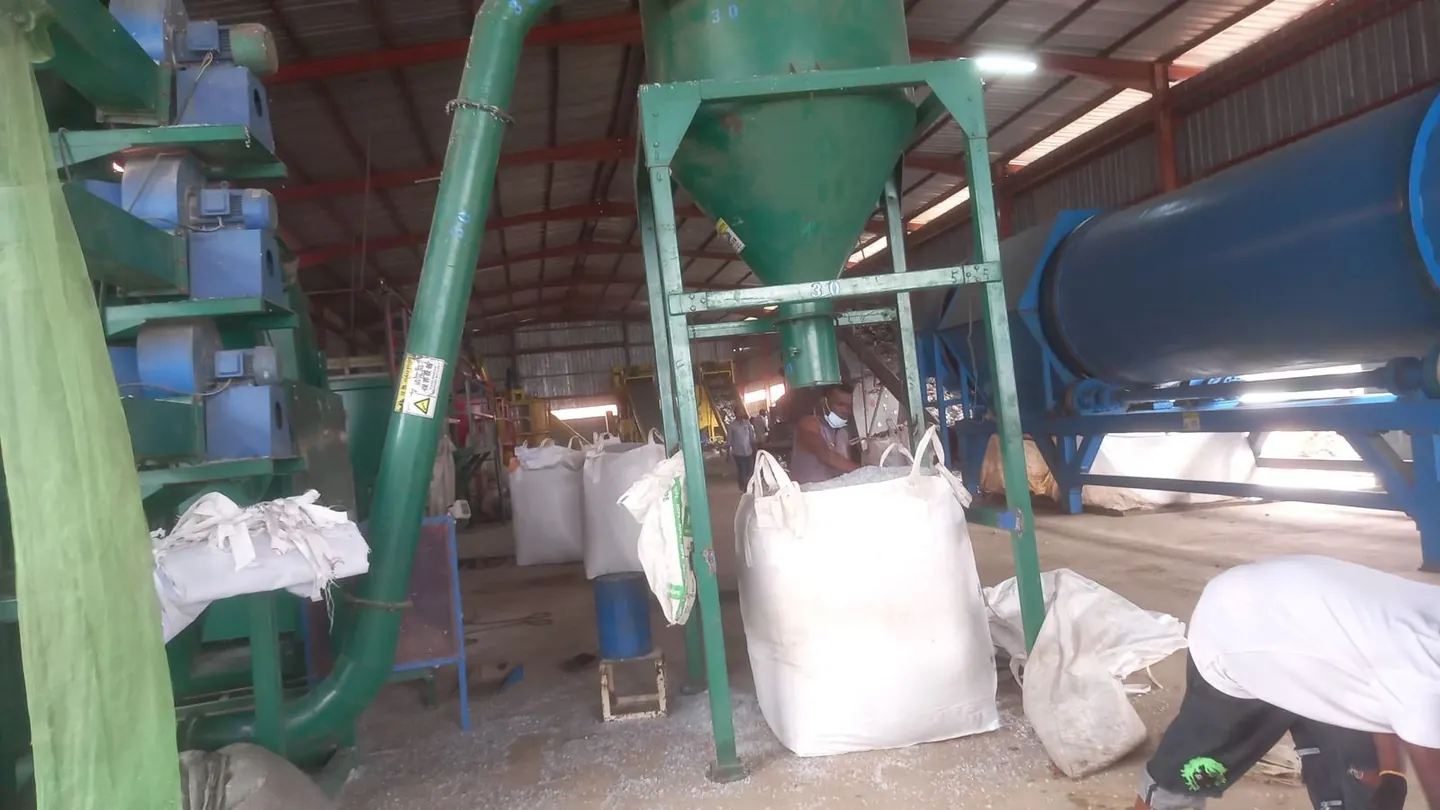
Shredding, hot washing and drying transform mixed bottle waste into a flake that can be further processed. Output cleanliness depends on contamination levels, operating controls and the effectiveness of the plant's process.
Equipment features, including optical colour/polymer sorting, are used in some recycling plants. Their presence must be verified at the actual source; this site does not claim that the featured material is TOMRA-sorted.
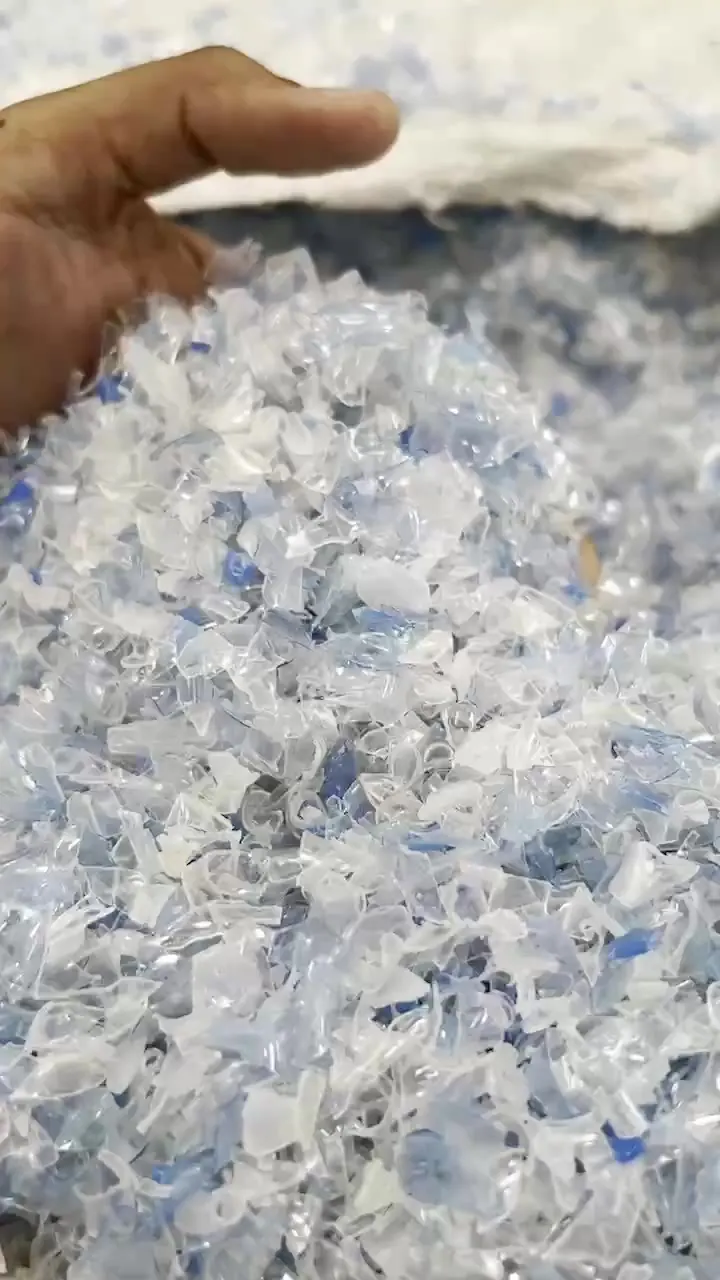
Colour uniformity and visual cleanliness help the first screening. A buyer's technical acceptance should go further and include lot-relevant values such as IV, moisture, PVC, particle size and other contaminants.
Read our quality & testing guide ↗Our gallery features real source-supplied images and videos of material handling.